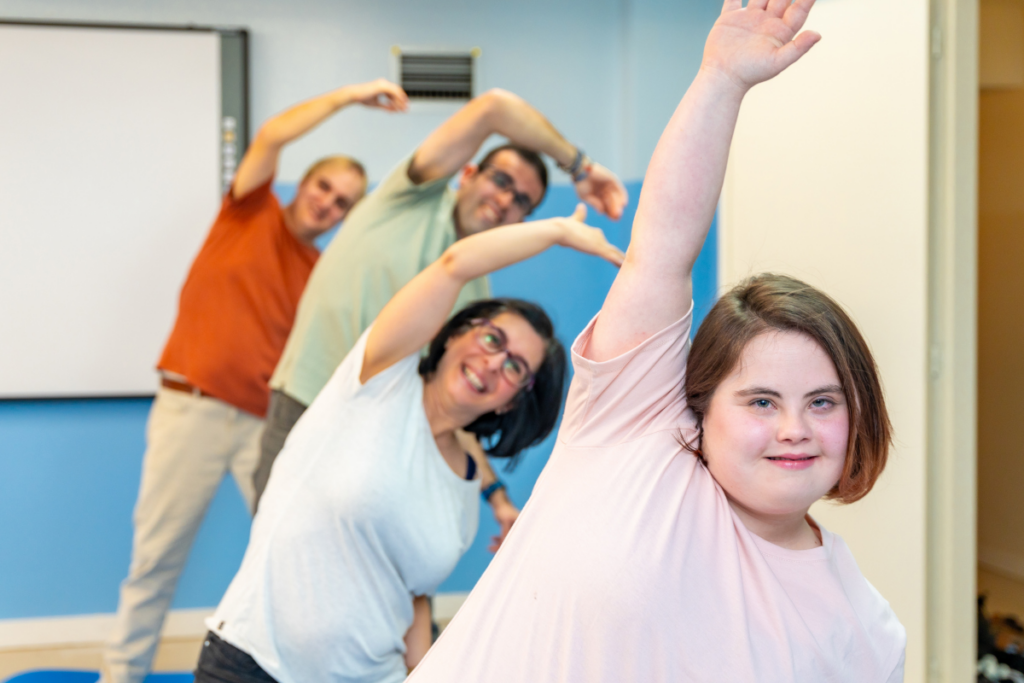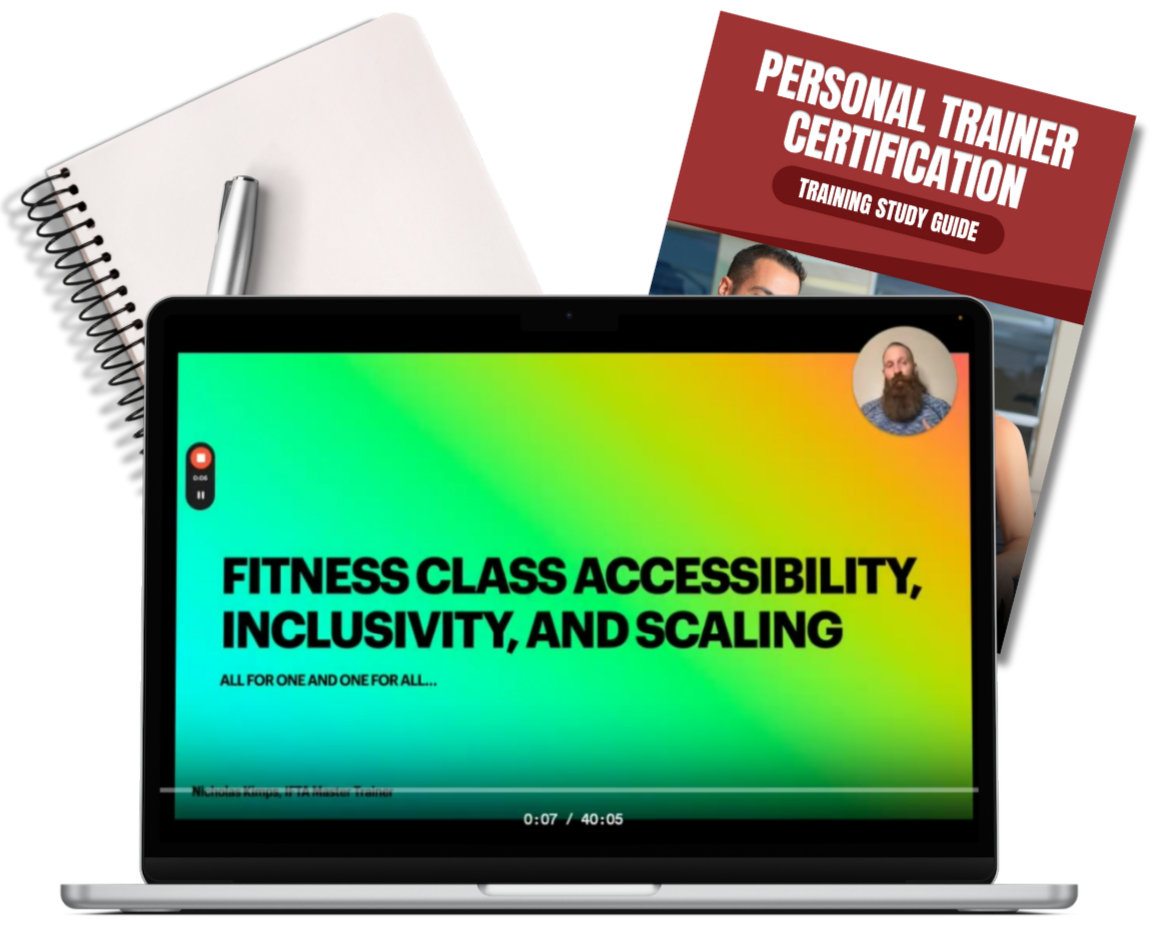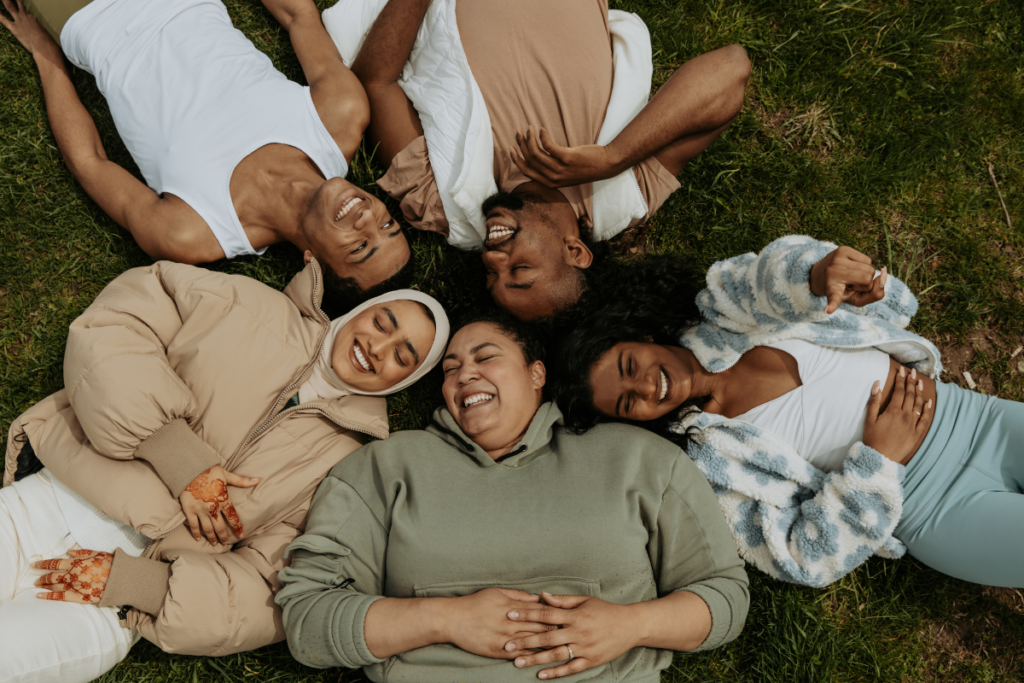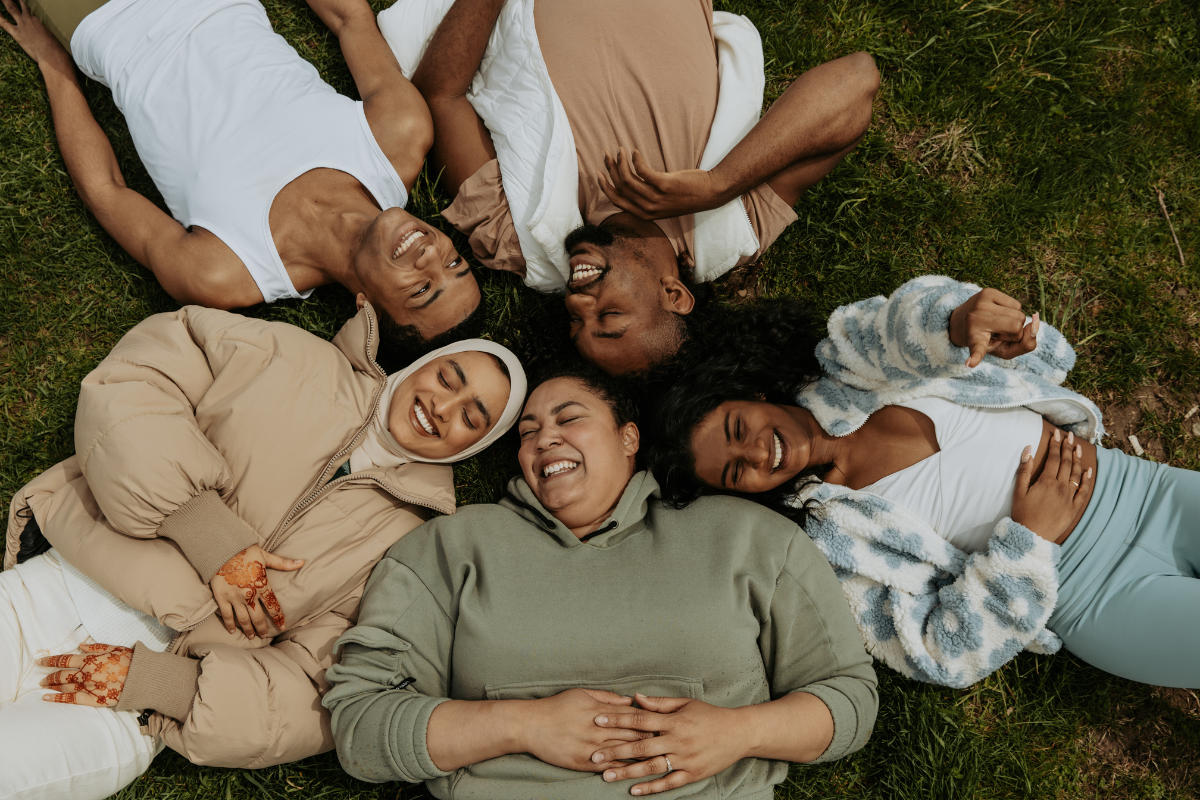
As fitness trainers, we believe in the transformative power of movement and exercise. Fitness should be a gateway to confidence, health, and joy—not a barrier. However, it’s essential to recognize that traditional fitness spaces and programs can inadvertently exclude individuals due to physical, cultural, or socioeconomic differences. By putting inclusivity and access at the forefront, we can create a more welcoming and empowering environment for all.
Start with Empathy
Inclusivity begins with understanding. Each client comes to us with a unique set of experiences, abilities, and goals. Taking the time to listen to their stories, asking thoughtful questions, and observing how they interact with their surroundings can offer invaluable insights. Empathy also means acknowledging that fitness is not one-size-fits-all—what works for one person may not work for another. Check out this great blog from our friends at The National Exercise & Sports Trainers Association (NESTA) that explored deeper ways trainers can benefit from increased empathy.
Design Accessible Programs
Accessibility is about ensuring everyone can participate, regardless of physical ability or fitness level. This can include:
- Modifying exercises: Offering seated or low-impact alternatives. This couples with reminding participants that modification does not necessarily mean easier, it means doing the movements in ways that are best suited for achieving that movement’s intention.
- Investing in adaptive equipment: Tools like resistance bands, medicine balls, or wheelchair-accessible machines can make a world of difference.
- Providing clear instructions: Demonstrate exercises at different levels of intensity and modifications to accommodate varied abilities and create an environment of acceptance.
For clients with disabilities, collaborating with them to understand their needs and preferences can lead to innovative and effective workout plans.
Create an Inclusive Space
The physical environment sets the tone for inclusivity. A few steps to make your space more inviting include:
- Eliminating physical barriers: Ensure your facility complies with ADA (Americans with Disabilities Act) guidelines, with ramps, wide entryways, and accessible restrooms.
- Using inclusive language: Avoid jargon that might alienate newcomers. Instead, use plain language and terms that resonate with diverse audiences.
- Showcasing diversity: Use imagery and messaging in your marketing materials that reflect a broad spectrum of ages, body types, races, and abilities.
Address Cultural Sensitivity
Cultural diversity is another important aspect of inclusivity. Be mindful of:
- Religious practices: For instance, offering gender-segregated classes or flexible schedules during religious observances.
- Dress codes: Allowing participants to wear attire that aligns with their cultural or personal preferences.
- Music selection: Playing a variety of genres, hosting theme nights that can tie-in multiple artists and styles, or even allowing clients to contribute to playlists.
Foster a Sense of Belonging
Ultimately, inclusivity is about creating a community where everyone feels valued and respected. Celebrate small wins with your clients, encourage peer support, and establish a zero-tolerance policy for discrimination or judgment.
The Reward of Inclusivity
When we prioritize inclusivity and access, we’re not just improving individual lives—we’re building stronger, healthier communities. Fitness becomes a shared journey, one that’s enriched by the diversity of those who participate.
Let’s make fitness spaces places where everyone can thrive, one step, lift, or stretch at a time.