Whether you’re a fitness instructor or personal trainer looking to spice up your group classes and training sessions, or even a club Owner/Operator aiming to offer a variety of engaging options, the format of your gym’s classes and quality of personal training sessions plays a crucial role in keeping members motivated and excited.
With the right approach, you can create dynamic and effective sessions that cater to diverse fitness levels and preferences, while still driving results. Here are some creative and effective ways to format your group fitness classes and personal training sessions to make them stand out:
1. Circuit Training
Overview: Circuit training involves various exercise stations where participants perform a specific exercise for a set period before moving to the next station. Though this format requires planning and set up, participants are motivated by the power of the group to do their best. Circuit training in a class or small group environment drives community within your club!
Benefits: This format incorporates multiple fitness modalities such as cardiovascular fitness and muscular endurance. It also allows participants to work on different muscle groups in one session.
Tips for Success:
- Mix It Up: Include a variety of exercises like cardio, strength training, and flexibility/agility drills.
- Keep It Moving: Use a timer to ensure participants stay on track and keep the energy high.
Space Considerations: Ensure you have enough room for participants to move between stations safely.
2. Tabata Training
Overview: Tabata is a high-intensity interval training (HIIT) format consisting of 20 seconds of ultra-intense exercise followed by 10 seconds of rest, repeated for 4 minutes per exercise.
Benefits: This format is great for maximizing calorie burn and improving cardiovascular fitness and explosive power in a short period. Not to mention, this workout style has been proven to improve health markers like insulin sensitivity and cholesterol.
Tips for Success:
- Intensity is Key: Encourage participants to push themselves during the work periods.
- Variety: Incorporate different exercises each session to keep it fresh and challenging and to avoid monotony.
- Adaptability: Always offer modifications for beginners or those with injuries so that they can still maximize their working periods.
3. Ladder Workouts
Overview: A Ladder workout incorporates 8 -12 different exercises for participants to complete in a “ladder format” with specific time parameters. For example, you could choose 10 exercises performed for 45 seconds each. Participants move chronologically up the ladder and then for an additional challenge, they move back down the ladder.
Benefits: Ladder workouts allow participants to feel the satisfaction of completing the ladder when they get to the “top”.
Tips for Success:
- Order: Make sure you keep the movements in order. Don’t skip anything or add something in twice.
- Creativity: You can make the ladder whatever you want it to be. Perhaps, cardio based, strength based, or a combination of both.
Motivate Participants: Encourage participants by reminding them of their progress on the ladder and how much they have to go.. This should be both within the interval (time), or on which “wrung” (i.e. how many more exercises to go!).
4. Partner or Team Workouts
Overview: Partner workouts allow participants to pair up or form teams to complete exercises together. For example, one participant does 10 burpees while the other cheers them on, the second participant completes 10 burpees while the other participant rests before gearing up for nine burpees. They can repeat this cadence all the way down to one burpee. Other options include one partner completing a certain exercise while the other holds an isometric hold and then they switch. The possibilities are endless!
Benefits: This format fosters camaraderie and can make workouts more enjoyable and motivating.
Tips for Success:
- Balance: Ensure exercises are suitable for pairs or teams, with a focus on both cooperation and individual effort.
- Encourage Communication: Remind participants to support and motivate each other.
- Safety First: Make sure exercises are safe for partner work and provide alternatives if needed.
5. Progressive Overload Workouts
Overview: Progressive Overload workouts are carefully curated to allow a series of classes or training appointments to build upon the previous one, gradually increasing in intensity or complexity. For example, instruct participants to increase the dumbbells they used previously by 5%, or instruct them to complete 12 repetitions with the same weight versus 10 repetitions.
Benefits: Not only does this format help participants track their progress and feel a sense of accomplishment as they advance through levels, but it also aids in muscle mass development.
Tips for Success:
- Clear Goals: Set clear objectives for each phase of the program.
- Track Progress: Use assessments or checkpoints to help participants measure their improvement.
- Provide Feedback: Offer constructive feedback and recommendations throughout the progression periods.
6. Mind-Body Integration
Overview: Combine elements of physical fitness with mental and
6. Mind-Body Integration
Overview: Combine elements of physical fitness with mental and emotional well-being, such as incorporating yoga stretches into a strength training class or combining meditation with cardio. Perhaps this means ending a vigorous strength class with a full relaxation and guided meditation for the last 10 minutes, focusing on breath work.
Benefits: This approach addresses both physical and mental health, offering a holistic workout experience. Your participants may leave relaxed and less stressed after their time with you!
Tips for Success:
- Balance: Ensure there is a good balance between the physical and mental components.
- Flow: Create a smooth transition between different elements of the class.
- Educate: Educate participants on the benefits of integrating mind-body practices.
7. Functional Fitness
Overview: Functional Fitness focuses on exercises that mimic everyday movements and activities, such as squatting to pick something off of the ground, lifting an item onto a shelf, or twisting to get out of the car.
Benefits: Functional fitness improves participants’ ability to perform daily tasks and can help prevent injuries.
Tips for Success:
- Real-Life Movements: Incorporate exercises that replicate common activities, like lifting grocery bags or climbing stairs.
- Personalization: Offer modifications to suit various fitness levels and abilities.
Technique: Emphasize proper form to ensure effectiveness and safety.
8. Drop Sets
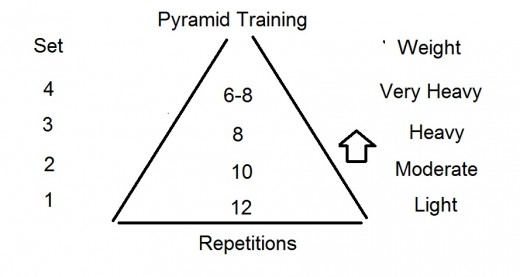
Overview: Drop Sets are a great tool to fatigue participants’ muscles and help them get stronger. For example, have participants complete 12 repetitions at a very light weight, rest 10 seconds and then complete 10 repetitions at a moderate weight, then perhaps even 6-8 reps with a heavy weight.
Benefits: Drop sets have been proven to aid in muscle hypertrophy by contributing to muscular fatigue and failure.
Tips for Success:
- Clear Rules: Outline the reps and sets the participants will be completing and the weights they will be using.
- Programming: Make sure you program ample rest periods into the workout. Around 30 seconds is a good rule of thumb.
Tools: Writing out the drop set pyramid on a whiteboard at the beginning of a class or a session gives participants a better understanding of the structure of the workout.
Conclusion
The key to a successful group fitness class or personal training session lies in keeping workouts varied, engaging and progressive. By experimenting with different formats and incorporating creative elements, you can program classes and sessions that not only challenge participants but also keep them coming back for more.
If you’re looking for more creative ideas, IFTA’s CEC classes allow you to practice along with our talented presenter team to learn fresh, new content. Current, safe, and results driven, our CEC content is designed to inspire trainers, instructors, and participants alike.
As always, remember to listen to feedback, stay adaptable, and most importantly, enjoy the process of inspiring others to achieve their fitness goals!